The Three Phases of Water Damage Restoration
Not every restoration company offers all three of these crucial services.
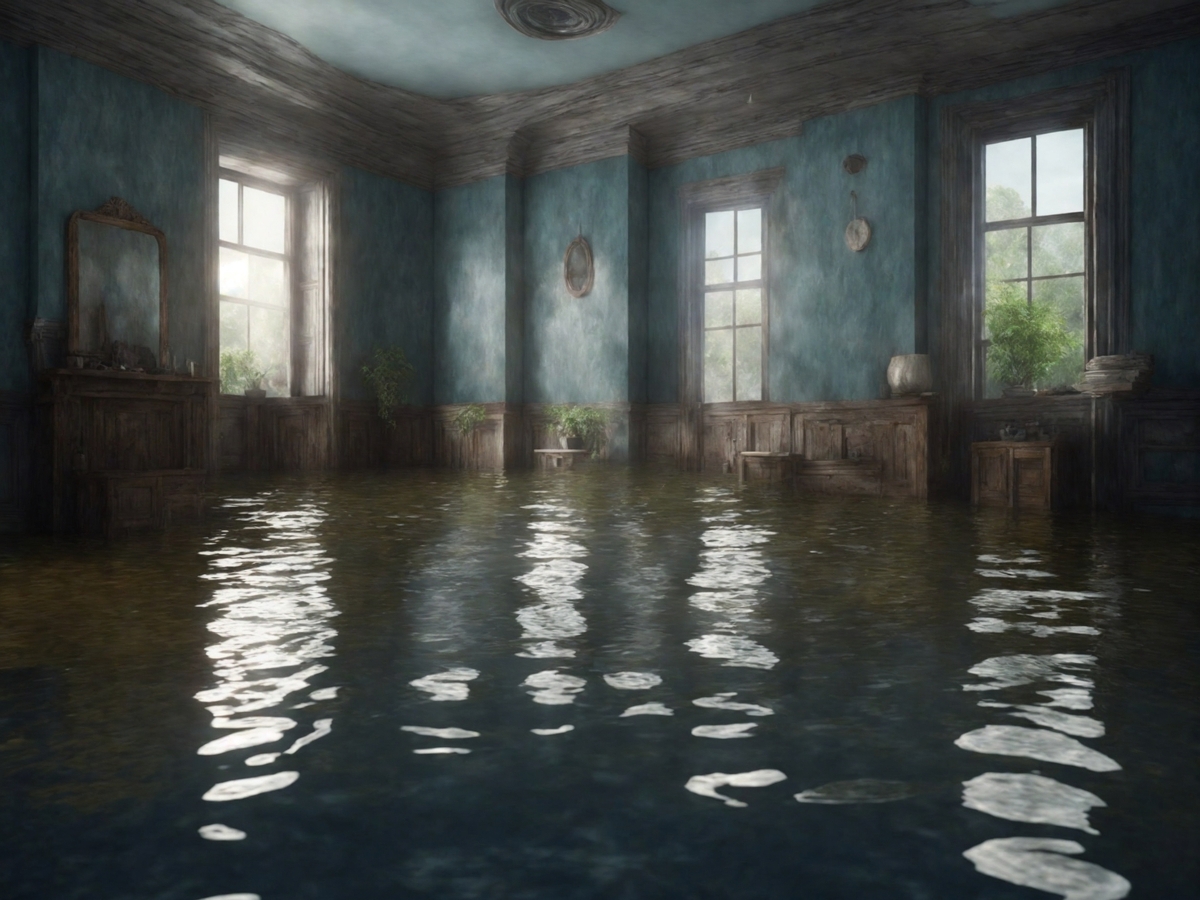
Every water restoration is different; different floorplan, different layout of fans and dehumidifiers, and different amounts of demo required. Despite this, all water damage jobs follow the same basic three-phase structure: the dry-out, structure repair, and contents restoration. Faulkner Restoration stands out from many other restoration contractors in offering all three services. The unique approach to all three determines the overall quality of the restoration, especially with regards to preventing mold growth, or further damage due to moisture. In this post, we’ll explore how the three fit together and why each is relevant to restore a property to its pre-loss condition.
The first part of the restoration process is the dry-out. This very topic has been covered here on this blog in several other posts, but it remains the most crucial part of any water damage restoration due to its role in preventing further damage. The dry-out, as it’s called, is the process by which an emergency restoration team removes the excess moisture from the damaged area by using a variety of techniques and approaches. The most common and nearly universal technique is called extraction. This is when a crew uses a device called a water extractor that works like a massive vacuum cleaner for liquids, often mounted into a truck. In certain cases, like in commercial buildings or very large spaces, smaller, portable extractors are also sometimes used. These extractors use hoses to connect to several different kinds of tools for extracting water from different materials, such as wands, which resemble a larger version of a typical home vacuum, or claws, which are meant to extract water from thick carpet and pad, often by standing on top of them to use pressure to remove as much moisture as possible. Once this is achieved, the technicians will typically place industrial-grade dehumidifiers as well as specialized fans called “air movers”. These devices use the unique properties of water to drive moisture out of the structure and into the air, where it can be removed by the dehumidifiers. This process typically takes three to five days, but heavier saturation or unique architecture can extend this process.
At the same time as the dry-out, the process of cleaning the contents also begins. Contents is a term that here refers to any and all objects inside the property that are not part of the structure itself, such as furniture, clothing, books, toys, and anything else you can imagine. When objects get wet, they can grow mold, or worse, sustain permanent damage. Dedicated teams of contents cleaning technicians use unique chemical and mechanical solutions to restore these objects. Some examples of these techniques include ultrasonic cleaning machines, industrial-grade washing machines, anti-microbial treatments, ozone or hydroxyl treatments, and more. Typically, these contents are removed prior to or early on during the dry-out, as excessive contents can slow the flow of air and hinder the drying process. Once cleaned, these contents are typically stored in a climate-controlled facility where they remain until the structure repairs are completed, and the contents can be moved back onto the property.
Finally, structure repairs refers to any repair work undertaken because of damage caused by the water intrusion. This can include wet drywall, damaged baseboard or quarter-round, wet insulation, or damaged particleboard. Sometimes, if the extent of the damage is small enough, the scope of repairs may be minor or, in some cases, not necessary; however, in many cases, some level of structure repairs is needed, such as painting, patching drywall, or replacing flooring. Some materials are non-salvageable, meaning that once they become wet, they will always need to be replaced due to water damage. Ultimately, this is one of the most unique parts of the restoration industry, as every home is different, and no two water losses will be the same.
It may come as a surprise to know that not every restoration company offers to complete all three of these phases; many water restoration contractors do not provide contents cleaning, and some do not offer repairs. Faulkner Restoration is proud to offer all of these services, and more, in-house, so the customer may enjoy the convenience of dealing with not two or three contractors, but just one. If you find yourself in unfortunate need of all three phases of property damage restoration, give Faulkner Restoration a call today at 317-782-9999.