Electrical Fire Warning Signs: How Fires Start in a Home
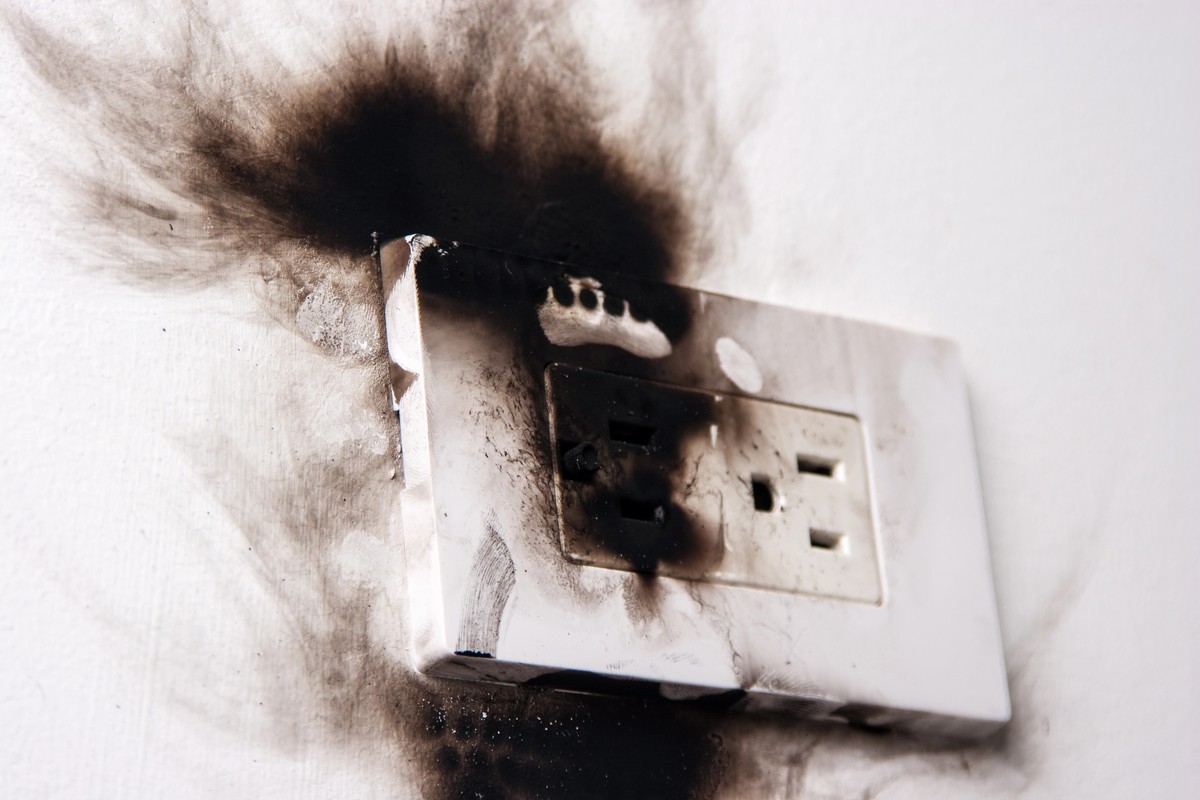
Electrical systems power nearly everything in a modern home, yet the wiring behind your walls rarely gets a second thought until something goes wrong. Understanding how does an electrical fire start is one of the most valuable pieces of safety knowledge a homeowner can have, because these fires often smolder quietly before they ever produce visible flames. As a damage restoration company in Greenwood and its surrounding areas, we have seen how a small overlooked warning sign can grow into a devastating loss.
The good news is that most electrical fires give off subtle clues long before disaster strikes. Learning to recognize those clues, and knowing when to call an electrician, can protect both your family and your property. Let's walk through the common causes, the warning signs, and the steps you can take to keep your home safe.
How Does an Electrical Fire Start?
At its core, an electrical fire begins when electricity encounters resistance or a fault that generates excessive heat. Wires are designed to carry a specific amount of current safely, but when that limit is exceeded or the pathway becomes damaged, heat builds up in places it should not. Over time, that heat can ignite nearby insulation, wood framing, dust, or other combustible materials.
So how does an electrical fire start in a typical home? The most frequent culprits include outdated or deteriorating wiring, overloaded circuits, faulty outlets and switches, and misused extension cords. Older homes are especially vulnerable because their electrical systems were never designed to handle the demands of today's appliances, chargers, and electronics. A circuit built decades ago may struggle under the load of a modern kitchen or home office, and the strain shows up as heat.
Loose connections are another common trigger. When a wire is not securely fastened at an outlet, switch, or junction box, electricity can arc across the small gap. This arcing produces intense, localized heat that can char surrounding materials and eventually ignite them. Because these problems develop inside walls, they are easy to miss until the warning signs become obvious.
Warning Signs You Should Never Ignore
Your home usually tries to tell you when something is wrong with its electrical system. Paying attention to these signals gives you a chance to act before a fire ever begins. Some of the most important warning signs include the following:
- Circuit breakers that trip repeatedly or fuses that blow often, signaling an overloaded or faulty circuit.
- Outlets or switch plates that feel warm, look discolored, or emit a faint burning or fishy odor.
- Flickering or dimming lights, especially when appliances turn on.
- Buzzing, crackling, or sizzling sounds coming from outlets, switches, or the electrical panel.
- Frequent mild shocks when you touch appliances or plug in cords.
Any of these symptoms deserves prompt attention. A burning smell with no obvious source is particularly urgent, because it often means wiring insulation is already overheating. If you ever notice smoke or sparks, treat it as an emergency, get everyone out of the house, and call for help immediately.
Everyday Habits That Raise the Risk
Beyond the wiring itself, daily habits play a major role in electrical fire risk. Overloading a single outlet with power strips and adapters is one of the most common mistakes. Each outlet and circuit has a limit, and stacking multiple high-draw devices on one connection forces the system to work harder than it was built to handle.
Extension cords are meant for temporary use, yet many households rely on them as permanent wiring. Running cords under rugs, across doorways, or behind furniture can damage the insulation and trap heat. Damaged, frayed, or pinched cords are a frequent ignition source, and they are entirely avoidable with a quick inspection now and then.
Appliances deserve attention too. Space heaters, dryers, and older window air conditioners draw significant power and should be plugged directly into a wall outlet rather than a power strip. Lint buildup in a dryer vent, for example, combines heat with fuel in exactly the wrong way. Keeping these appliances clean and well maintained goes a long way toward reducing risk.
How to Protect Your Home
Prevention starts with awareness and regular maintenance. Having a licensed electrician inspect your home's wiring, especially if the house is more than a few decades old, is one of the smartest investments you can make. An inspection can uncover loose connections, outdated components, and undersized circuits before they become a hazard.
Working smoke alarms are your last line of defense. Install them on every level of your home and inside each bedroom, and test them monthly. Replace batteries at least once a year and swap out the alarms themselves according to the manufacturer's guidance. Consider upgrading to alarms that detect both smoke and, where appropriate, ideas like arc fault circuit interrupters that shut off power when dangerous arcing is detected.
It also helps to be thoughtful about how you use electricity every day. Unplug small appliances when they are not in use, avoid daisy-chaining power strips, and never ignore a breaker that keeps tripping. That breaker is doing its job by warning you that a circuit is overtaxed. Understanding how does an electrical fire start makes each of these habits feel less like a chore and more like an easy safeguard.
What to Do After an Electrical Fire
Even with careful prevention, fires can still happen, and the aftermath can be overwhelming. Electrical fires often leave behind more than charred materials. Smoke and soot travel throughout a home, settling into walls, ceilings, ductwork, and belongings far from the original source. That residue is acidic and can continue to cause damage and odor long after the flames are out.
Professional cleanup matters here because soot and smoke require specialized techniques to remove safely and completely. Our team provides fire damage restoration in Greenwood and works to restore your home while protecting your health. We also handle related concerns, such as water used to extinguish the fire, which can lead to secondary problems if it is not dried and treated quickly. In some cases lingering moisture even creates conditions for mold, which is another issue our crews are equipped to address.
If your home has suffered fire or smoke damage anywhere in Greenwood and the surrounding areas, acting quickly limits the long-term impact. You can learn more about our emergency response and full range of services, and reach out any time for guidance. When you understand how does an electrical fire start and how to respond when one does, you are in a far stronger position to protect what matters most.
Electrical fires rarely announce themselves loudly at first. They begin with warm outlets, flickering lights, and breakers that trip a little too often. By treating those small signals seriously, scheduling regular inspections, and using electricity wisely, you dramatically lower the odds of ever facing one. And if the worst does happen, remember that recovery is possible with the right help. Faulkner Restoration is here for homeowners across Greenwood and nearby communities, ready to help you rebuild and restore with care.