
24 HOURS EMERGENCY RESPONSE

Water & Fire Damage Restoration & Mold Remediation Services

We eliminate mold and moisture that causes your home to smell musty, look ugly & reduces your properties value.

check icon

IICRC Certified Water Restoration Technicians

check icon

Insurance Claim Specialist

check icon

Ready To Respond At A Moments Notice

Need Emergency Services?

Fill Out The Form Below

We offer FREE Inspections On All of Our Services!

Consultation Form

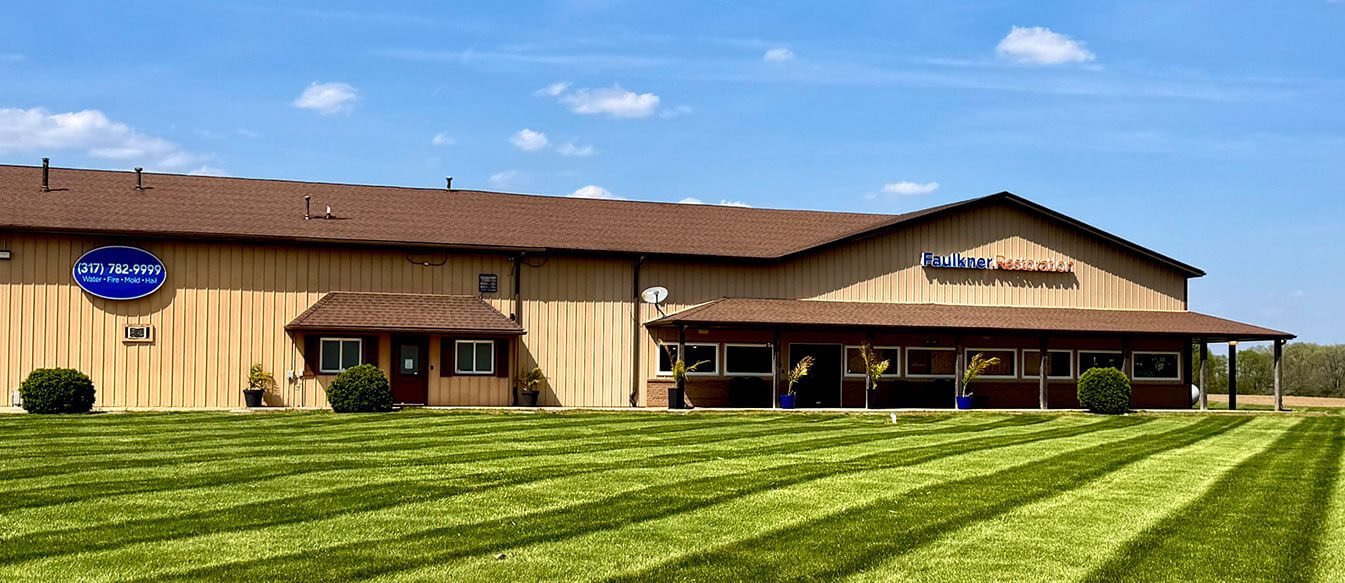
Emergency Restoration Service in Greenwood, IN

When disaster strikes, you need a trusted partner who can help you restore your home or business to its original condition. Thankfully, at Faulkner Restoration, we provide expert water and fire damage restoration and mold remediation services in Greenwood, IN, and the surrounding areas. As a locally trusted name in home and basement damage cleanup, we understand how important it is to act quickly, restore thoroughly, and help you get back to normal life. And with our IICRC-certified technicians, we’re equipped to handle any emergency with speed and professionalism. We've got your back, so give us a call today!


Trusted Water Damage Repair

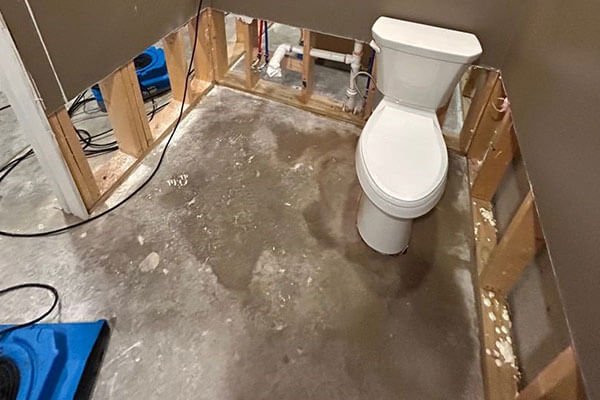
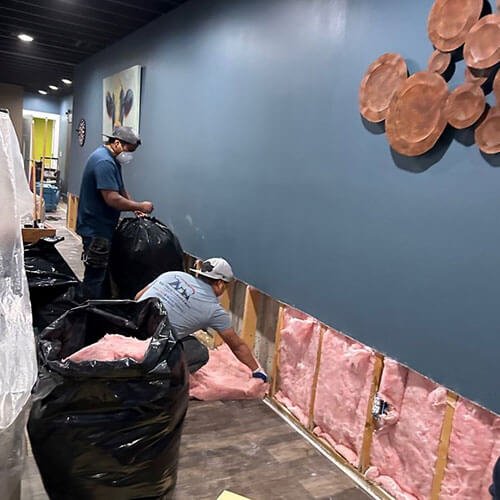
Water damage can be a nightmare for homeowners and businesses alike, and it’s not something to ignore. The longer water sits, the more damage it can cause, leading to mold growth, structural issues, and health risks. Our team at Faulkner Restoration is trained to handle every type of water damage restoration, from minor leaks to major flooding—including full basement restorations! We use state-of-the-art equipment to dry out your property, remove moisture, and restore affected areas. We aim to return your home or business to its pre-loss condition as quickly as possible, minimizing downtime and disruption.

CONTACT US TODAY

Restoration for Leaks, Floods, & More

Water damage can be a nightmare for homeowners and businesses alike, and it’s not something to ignore. The longer water sits, the more damage it can cause, leading to mold growth, structural issues, and health risks. Our team at Faulkner Restoration is trained to handle every type of water damage, from minor leaks to major flooding. We use state-of-the-art equipment to dry out your property, remove moisture, and restore affected areas. We aim to return your home or business to its pre-loss condition as quickly as possible, minimizing downtime and disruption.


Common Causes of Water Damage We Handle:


  • Leaky or burst pipes
  • Faulty plumbing systems
  • Roof leaks, including damage from storms
  • Water supply line leaks
  • Water heater failures
  • Ice maker line leaks
  • Flash flooding
  • Washing machine overflow
  • Sewer backups and overflow


When you need water damage restoration in Greenwood, IN, we’re ready to respond at a moment’s notice. Our team is on call 24/7 to address emergency home and basement damage cleanup, assess the issue, and start the restoration process immediately.

WATER DAMAGE SERVICES

Reliable Fire Damage Repair

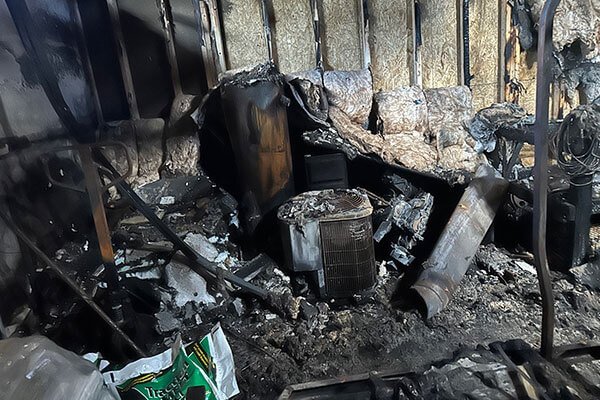
A fire can leave behind more than just visible damage—it can compromise the structural integrity of your building and leave hazardous soot and smoke residues. At Faulkner Restoration, we provide comprehensive fire damage restoration services that include cleaning up soot, eliminating smoke odors, and repairing damaged structures. Our goal is to restore your home or business as safely and efficiently as possible, so you can focus on moving forward.


Common Causes of Fire Damage:


  • Cooking accidents
  • Faulty heating equipment
  • Smoking-related fires
  • Electrical malfunctions
  • Candle-related fires
  • Children playing with fire
  • Inadequate or outdated wiring
  • Flammable liquids and materials
  • Holiday decoration mishaps
  • Outdoor grilling and barbecues


With our local knowledge and experience, we understand the specific challenges that homes and businesses in Greenwood, IN, face when dealing with fire damage. We handle everything from initial cleanup to final repairs and basement restorations, ensuring that your property is fully restored to its pre-fire condition.

FIRE DAMAGE SERVICES

Efficient Mold Mitigation

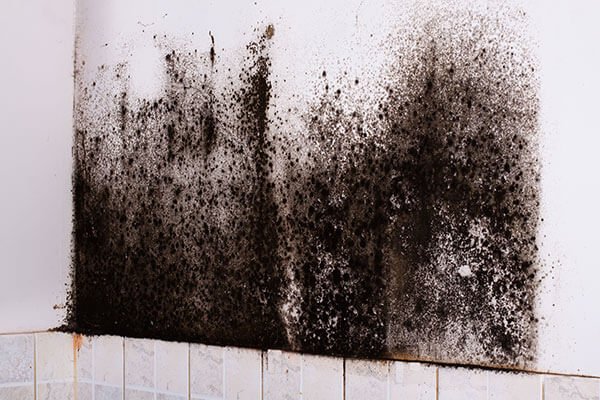
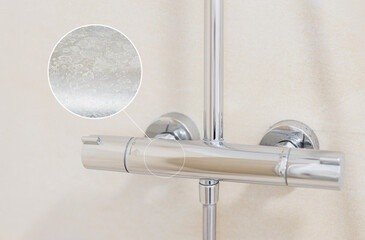
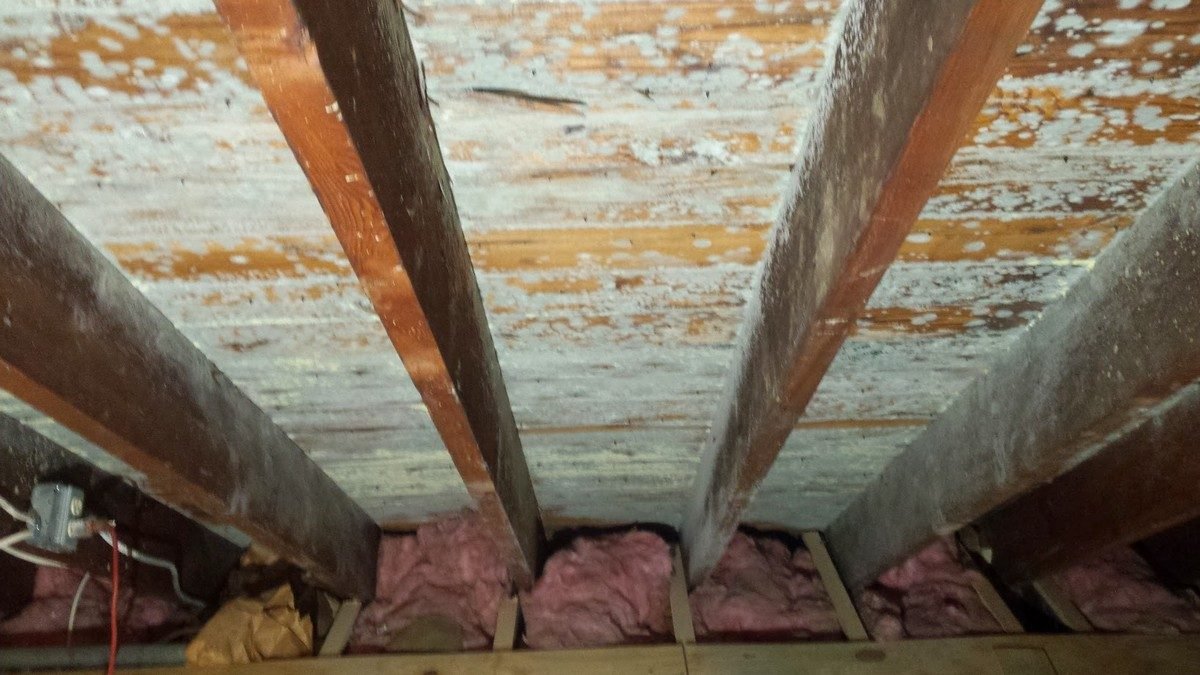
Mold doesn’t just make your property look and smell bad—it can pose serious health risks, especially for those with allergies or respiratory conditions. Our mold remediation services in Greenwood, IN, are designed to tackle mold issues at their source, ensuring your home or business is safe and mold-free. We use advanced equipment to locate hidden moisture and remove mold growth, preventing it from returning. With Faulkner Restoration, you can breathe easy knowing that your property is in expert hands.

Causes of Mold Growth We Address:


  • High indoor humidity levels
  • Hidden leaks and water damage
  • Undersized or oversized HVAC systems
  • Poor ventilation, particularly in bathrooms and basements
  • Flooding and storm damage
  • Wet or damp clothing left out
  • Damp or wet basements and crawl spaces


Our team is trained to identify the underlying issues that lead to mold growth, ensuring a comprehensive approach to remediation. By addressing the root cause of the problem with our basement damage cleanup, we help you maintain a healthier indoor environment.

MOLD REMEDIATION SERVICES

Board-Up Assistance

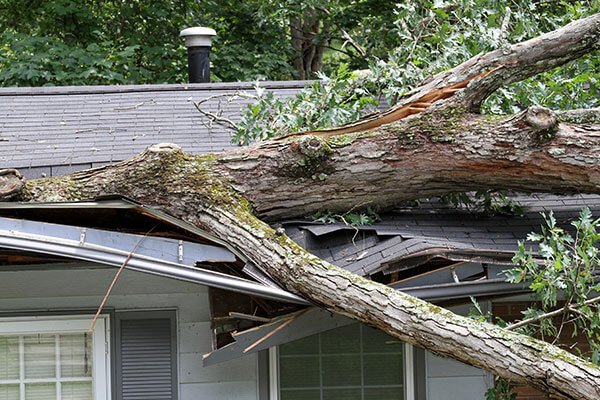
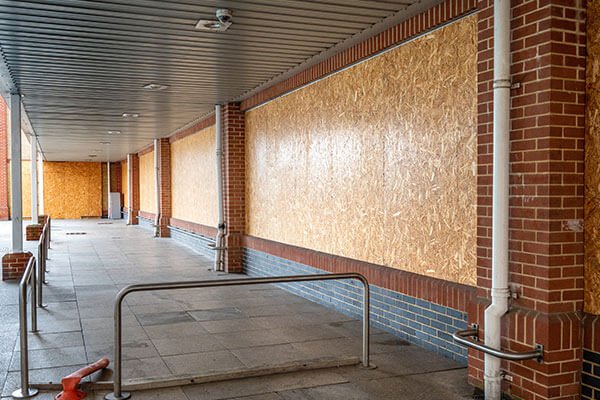
In the aftermath of a fire, break-in, or severe storm, securing your property is a top priority. Faulkner Restoration provides emergency board-up services for homes and businesses in Greenwood, IN, ensuring that your property is safe from further damage. Our board-up services protect against vandalism, theft, and additional weather-related issues while you work on long-term repairs. We respond quickly to emergencies, providing a reliable solution when you need it most.

Professional Sewage Cleanup

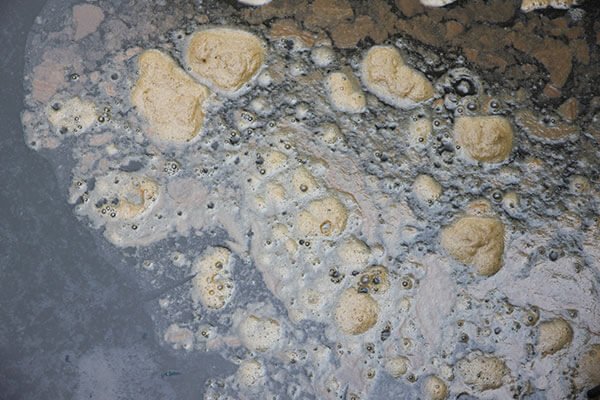
Sewage backups can create a hazardous environment, bringing harmful bacteria and unpleasant odors into your home or business. At Faulkner Restoration, we specialize in comprehensive sewage cleanup services, ensuring that your property is thoroughly sanitized and safe for occupancy. Our team is available 24/7 for emergency sewage cleanup in Greenwood, IN, so you don’t have to deal with the mess alone.

Why Choose Us for Your Disaster
Recovery Needs?

Local Expertise with a Commitment to Excellence

As a locally owned and operated business, we are proud to serve the Greenwood, IN, community with exceptional restoration services. We understand the unique challenges that local homes and businesses face, from unpredictable weather to the common issues of older properties. Our commitment to quality home and basement restorations and customer satisfaction sets us apart from the rest.

Insurance Claim Specialist

Navigating the insurance claim process after a disaster can be overwhelming. That’s why our team is here to help you through every step of the process. We work directly with your insurance company to ensure that your claim is handled quickly and efficiently, helping you get the coverage you deserve.

Certified Professionals Ready to Respond 24/7

Emergencies don’t wait for business hours, and neither do we. Our IICRC-certified technicians are ready to respond to water, fire, or mold damage emergencies at any time of day or night. With our rapid response times and professional service, we’re here when you need us most.


FAQ's

  • What should I do if I experience water damage in my home or business in Greenwood, IN?

    If you experience water damage, the first step is to turn off the water source if it’s safe to do so, and then contact a professional restoration company like Faulkner Restoration immediately. Our team is available 24/7 to provide emergency water damage restoration and can help prevent further damage to your property.


  • How quickly can you respond to an emergency in Greenwood, IN?

    At Faulkner Restoration, we know that time is critical when dealing with water or fire damage. That’s why we’re committed to providing rapid response services throughout Greenwood, IN. Our team is on call 24/7, ready to arrive at your location as soon as possible to assess the situation and start the restoration process.


  • Will my insurance cover the cost of water or fire damage restoration?

    In many cases, homeowner’s insurance policies cover the cost of water or fire damage restoration, but it depends on the specific terms of your policy. As insurance claim specialists, we work closely with your insurance company to ensure that you receive the coverage you’re entitled to and make the process as smooth as possible.


  • How can I tell if I have mold in my home or business?

    Mold is often visible, appearing as dark spots or patches, but it can also be hidden behind walls, under carpets, or in crawl spaces. Common signs of mold include a musty odor, increased allergy symptoms, or recent water damage. If you suspect mold, contact Faulkner Restoration for a professional inspection and remediation in Greenwood, IN.


  • Why should I choose Faulkner Restoration over other restoration companies in Greenwood, IN?

    Faulkner Restoration is a family-owned and locally operated business with decades of experience in the Greenwood, IN area. Our IICRC-certified team is dedicated to providing fast, reliable, and professional service. We handle everything from emergency board-up and sewage cleanup to comprehensive water, fire, and mold restoration. Our goal is to help you get back to normal as quickly as possible while ensuring the highest quality results.


Call Us Anytime!

Sewage backups can create a hazardous environment, bringing harmful bacteria and unpleasant odors into your home or business. At Faulkner Restoration, we specialize in comprehensive sewage cleanup services, ensuring that your property is thoroughly sanitized and safe for occupancy. Our team is available 24/7 for emergency sewage cleanup in Greenwood, IN, so you don’t have to deal with the mess alone.

Proudly Serving:

Marion County IN | Boone County IN | Hamilton County IN | Hendricks County IN | Hancock County IN | Morgan County IN | Johnson County IN | Shelby County IN

CONTACT US TODAY

CONTACT US

Get In Touch

If you've been affected by water or fire damage, Faulkner Restoration is here to help. We provide quick and efficient cleanup services to get your property back to normal as quickly as possible. We're available 24/7 to take your call, so don't wait to get started on restoring your home or business.

location

Location

6302 Stein Rd, Greenwood, IN 46143

(317) 782-9999

email icon

Email

info@faulknerrestoration.com

time icon

Business Hours

Mon-Fri: 8:00 AM - 5:00 PM, Sat-Sun: Closed

SEND US A MESSAGE

Consultation Form

Faulkner Restoration NEWS

Latest News Excerpts

If you're looking for a news source on the disaster restoration and cleanup industry, then check out our news articles below.

By Taylor Faulkner February 3, 2026
The winter season may bring holidays and snow, but it’s also one of the most critical times for homes at risk of water damage. Pipe bursts can cause things to go from calm to emergency in the blink of an eye, and it’s important to act fast. Here’s a homeowner’s emergency checklist for what to do if you’re ever facing a burst pipe. First, let’s understand why pipes burst in the first place. Water expands when it freezes, and if that water has no room to expand, it creates immense pressure. In many cases, pipes carrying water do not offer enough room for the water ice to expand, and the pressure created due to the lack of space is enough to cause pipes to burst at their connection points, causing water damage. Whether it’s a small leak or a flood, water intrusion is no joke; within just 24-48 hours, mold can settle in. That’s why it’s so critical to act with speed, and to call the right people. Here’s what the first 30 minutes of reaction to a pipe burst should look like: Step One: Shut off the water. This is the most critical step, as every second water flows in, it causes more damage, requires more repairs, and increases the risk of mold. Shut off your home’s main water supply. If you don’t know where your water main is located, or cannot access it, call your utility company. Once the water is shut off, open faucets to relieve pressure and drain remaining water. If water is near any electrical outlets or appliances, make sure to shut off power at your breaker box as well. Step Two: Call a Licensed Plumber Once the water is shut off, call your local plumber. Let them know what’s broken, to the best of your ability, and, once on the scene, ask if any additional pipes are at risk due to freezing. A licensed plumber can repair or replace the broken pipe. Remember to keep any receipts and documentation for insurance purposes. An important detail is that a plumber will only fix your plumbing, and not the damage caused by water. That’s why the next step is so critical. Step Three: Call a Water Damage Remediation Professional Do not wait until after the pipe is fixed to call, a professional water technician can begin water extraction immediately if the situation requires. In fact, it is recommended that you call a water damage professional immediately after calling a plumber. A professional remediator can dry the hidden moisture that gets trapped inside materials like wood and drywall, and can prevent mold growth before it begins. Early action within the first 24 hours can effectively prevent mold. Step Four: Document Everything Before cleanup begins, make sure to take photos and videos of affected areas. Make sure to note the time you discovered the burst. If you file a claim, this documentation will help ensure the process goes smoothly. Your agent might just thank you, too. Seriously, the more you can document and prove, the faster things can move on the paperwork side. Even though a pipe burst can be scary, taking the right steps can ensure that you get back to normal as fast as possible. Make sure to call trustworthy companies, and avoid relying on DIY mistakes, like trying to rely on fans, delaying professional drying, or ignoring “minor” water damage. Mold can spread fast, and a little moisture can go a long way, spreading under floors and into walls. Calling professionals as soon as possible is always a smart idea, and a remediation professional can inform you of hidden moisture or other at-risk areas before they become your next emergency. If you’ve experienced a pipe burst, call the professionals at Faulkner Restoration anytime, and rest easy.
By Taylor Faulkner November 26, 2025
The Tech Behind the Towels: Unpacking Psychrometrics in Water Restoration Water cleanup is a science, and that means precision. Cleanup crews—like the expert water remediation team at Faulkner Restoration—aren’t just throwing towels at damp spots. They're orchestrating a complex song and dance, using the properties of air and humidity to direct the moisture exactly where we want. Among other names, this is the science known as psychrometrics, and it’s the number-one asset water remediators use when doing a dry-out. We’ll explore a few topics such as humidity, saturation, and dew points, then walk the restoration playbook, showing you how professionals use this data to their advantage. Stick around, and you’ll read about the tech that actually works. Psychrometrics 101: What Is It and Why Do I Care? It may be a mouthful, but I promise it’s more than jargon. Psychrometrics—from the Greek words for “cold” and “measurement”—is the system of measures we use to calculate how water molecules in the air will behave, both physically and in terms of their temperature. The air we know and breathe every second is actually a mixture of gases, like oxygen, nitrogen, and carbon dioxide, plus vapors like water vapor. This mixture behaves uniquely compared to pure gases. Psychrometrics is the roadmap we use to figure out how the air and moisture will behave—and with it, we can plan, predict, and account for the movement of water. Psychrometrics usually plots the air on an XY axis: the X axis is the air temperature, and the Y axis is the humidity ratio, known as absolute humidity—the ratio of pounds of water to pounds of air. There’s another way to measure humidity, called relative humidity (RH). RH tells us how saturated the air is with water molecules and is usually expressed as a percentage. When the air cannot hold any more water, it is saturated—and instead of staying as a vapor in the air, the moisture will return to liquid water. For example, an RH of 40% means that the air is 40% saturated. When RH reaches 100%, the air is saturated, and the moisture in the air begins to condense, forming dew. RH is useful because the amount of water the air can hold before it reaches saturation changes with temperature. This means that an 80-degree room and a 60-degree room—even if they had the same number of water molecules—would have different RH values. The Air's Push and Pull: Vapor Pressure, Differentials, and Dew Points Another thing that techs must take into account with water vapor is that it exerts pressure on other gases. In other words, on a molecular level, the water molecules push each other around. The more water molecules there are, the harder they push on each other. This pushing is called “vapor pressure,” and it means that wet materials will push moisture into the drier surrounding air, creating what we call a “differential.” The bigger the differential is, the faster the water vapor will evaporate. This is why restorers use dehumidifiers to fill the area with dry air, reducing the RH of the surrounding air. If this RH is too high, it could cause the air to saturate and re-wet. One way to avoid this is to keep an eye on the dew point. Remember how I said earlier that temperature affects the amount of water needed to saturate? This is the same reason why your grass has dewdrops in the morning after a cold night—the temperature drops, and the water molecules in the air form into droplets. The temperature at which the air will become saturated is called the “dew point,” and the dew point changes with the RH of the air. Picture air like a sponge. At 70°F, it holds 55 grains per lb. Soak it with vapor from nearby drywall? Dew point plummets. RH spikes—and the structure isn’t drying like it should. The Restoration Playbook: Tools and Steps in Action Restoration professionals plot all of this data on psychrometric charts to predict how the water vapor will behave: just add some heat here, crank the airflow there, and it should dry out—like weather forecasting for your walls. This exemplifies the two-part mechanical system of the dehumidifier and air mover. The dehumidifier replaces the moist, humid air with hot, dry air. The air movers increase the vapor pressure, causing the moisture trapped in the building materials to rush out into the drier, less saturated air coming from the dehumidifier. In essence, the dehumidifier removes the moisture from the air and heats it up before spitting all that hot dry air back out—where it can soak up more moisture like a sponge, thanks to the help of the air mover. This cycle then repeats until the room is stable and dry. I hope that the reason why we use the tools we do has become a little more clear now, knowing the science behind why it works. Dehumidifiers crush that humidity, bringing it down to acceptable levels, while air movers—like fans—and even specialty devices like air injectors (used to dry hard-to-reach cavities) help keep vapor pressure. This is the delicate ballet at play behind every water damage restoration. By tweaking the heat and humidity, you can zap that moisture out from the air like magic. Our moisture meters aren’t just beeping to let us know there’s moisture—they’re whispering dew point secrets, letting us know what to do and where to do it. Here’s how we put the playbook into motion, step by step: Step 1: Plot the Baseline – Grab initial RH, dew point, and moisture readings to spot differentials and classify the water (clean vs. contaminated). Step 2: Fire Up the Duo – Dehumidifiers pull grains from the air; air movers whip vapor out of materials, targeting <60% RH. Step 3: Dial & Dry – Daily checks with thermo-hygrometers tweak the cycle—add heat if needed—until materials hit <16% moisture content. Why Psychrometrics Isn’t Optional: Your Firewall Against Disaster Psychrometrics isn’t optional—it’s the firewall against $5K mold repairs. It may seem like scientific gobbledygook, but for the trained professional, it’s the navigational chart that tells us exactly where we are, where we need to get to, and how to get there. And now, hopefully, you too, reader, have a better understanding. So, the next time you’ve got water damage, don’t just call up Joe Schmoe with the Shop Vac—go with the pro with the RH chart, like the trained professionals of Faulkner Restoration. Give us a call today at 317-782-9999, and let psychrometrics work its quiet magic on your home.
By Taylor Faulkner October 9, 2025
The body content of your post goes here. To edit this text, click on it and delete this default text and start typing your own or paste your own from a different source.
SEE MORE