When Ants and Mold Appear Together, Moisture May Be the Link
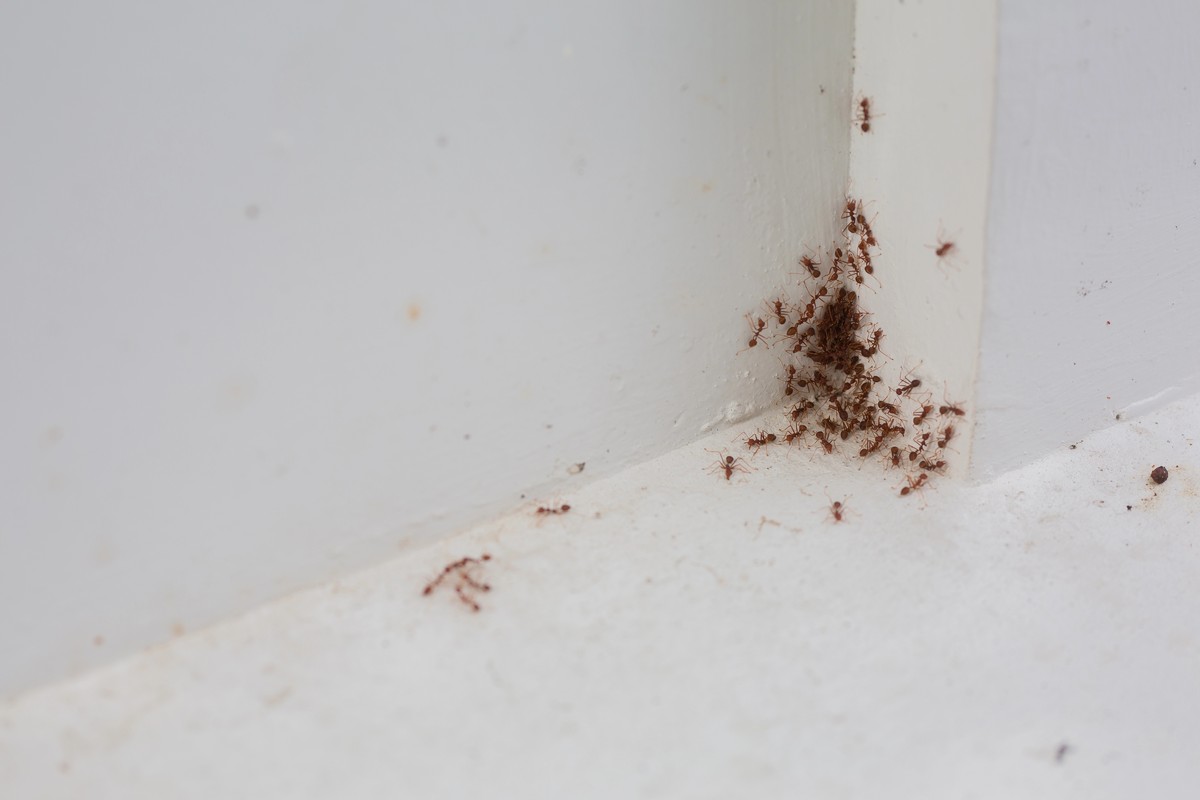
Finding a trail of ants marching across your kitchen counter is annoying. Discovering a patch of mold behind your baseboards is worrying. But when you notice both problems at once, it is often more than a coincidence. As a damage restoration company in Greenwood, IN, we have seen countless homes where ants and mold turned up in the same room, and the reason usually comes down to one shared culprit: moisture.
Both pests and fungi are drawn to damp conditions. Where water lingers unseen, inside a wall cavity, under a sink, or around a leaking window, you create the perfect environment for mold to grow and for certain ants to nest. Understanding why these two issues so often appear together can help you catch a hidden water problem before it becomes an expensive repair.
Why Ants and Mold Show Up in the Same Places
Mold needs three things to thrive: moisture, organic material to feed on, and a temperature that stays within a comfortable range. Your home offers all three in abundance, especially wherever water has collected. Wood framing, drywall paper, and insulation become food sources once they get wet, and mold can begin growing within a day or two of exposure.
Certain ants, particularly carpenter ants, are attracted to the very same moist, softened wood. Unlike termites, carpenter ants do not eat wood, but they carve tunnels through it to build their nests, and they strongly prefer wood that has already been damaged by water. So when you see ants and mold together, it is often because moisture weakened the wood first, which then invited both the fungus and the insects. In that sense, the pests and the mold are symptoms of the same underlying condition rather than two separate problems.
Common Sources of the Moisture Behind the Problem
Tracking down where the water is coming from is the most important step. Some sources are obvious, like a burst pipe or a roof leak after a storm. Others are slow and quiet, doing damage for weeks or months before anyone notices. In homes throughout Greenwood and the surrounding areas, we frequently trace the combination of ants and mold back to a handful of familiar sources.
- Leaky plumbing under sinks, behind toilets, or inside walls that keeps framing damp
- Poor drainage or grading that lets rainwater collect against the foundation
- Condensation from HVAC systems, ductwork, or poorly ventilated bathrooms
- Roof or gutter issues that allow water to seep into attics and wall cavities
- Basement or crawl space humidity that never fully dries out
Because these moisture sources are often hidden, the visible signs, the ants and the spreading discoloration, are usually your first real clue that something is wrong behind the surface. Following the trail of ants can sometimes lead you straight to the damp wood where mold is also taking hold.
What the Combination Is Telling You
When ants and mold appear together, your home is essentially sending a signal that a moisture problem has been present long enough for both to establish themselves. Mold spores are everywhere in the air, but they only bloom into a visible colony when they find sustained dampness. Ants scouting for a nesting site respond to those same wet conditions. So the fact that both are present at once often means the water intrusion is not brand new.
That is why treating only the surface rarely solves anything. Spraying the ants may thin their numbers for a while, and wiping away visible mold might make a wall look clean again, but if the moisture remains, both will return. Lasting relief comes from finding and correcting the water source, then properly drying and restoring the affected materials. Addressing the root cause is the only way to keep the problem from cycling back season after season.
Health and Structural Reasons to Act Quickly
Beyond being unsightly, the pairing of these two problems carries real risks. Mold can affect indoor air quality and may trigger respiratory irritation, allergy symptoms, and other discomfort for sensitive individuals, including children and older adults. The longer a colony grows, the more spores circulate through your living space.
The structural side deserves equal attention. Wood that has been softened by moisture and then hollowed out by carpenter ants loses strength over time. Left unchecked, this can compromise framing, subfloors, and support beams, turning a modest repair into a major one. When water damage is at the heart of the issue, prompt water damage restoration in Greenwood and beyond can stop the moisture from spreading further and give both the mold and the pests fewer reasons to stay.
How Professional Remediation Breaks the Cycle
Solving a combined pest and fungus problem takes more than a spray bottle and a scrub brush. The process starts with locating every area of moisture, often using meters and inspection tools to find dampness hidden inside walls and floors. Once the water source is identified and corrected, the affected materials need to be thoroughly dried, and any mold-damaged surfaces must be safely removed and treated to prevent regrowth.
This is where certified professionals make a real difference. Proper containment keeps spores from spreading to clean parts of your home during the work, and correct drying techniques ensure moisture does not linger where you cannot see it. Our team approaches mold removal in Greenwood and its nearby cities with attention to both the visible growth and the conditions that caused it, so the wood that once attracted ants and mold no longer offers them a welcoming home. Removing the moisture and restoring the materials effectively takes away the shared foundation both problems depend on.
Steps You Can Take Right Now
While professional help is the surest path to a complete fix, there are a few things you can do the moment you notice both issues together. Reducing humidity, improving airflow, and keeping an eye on the trouble spots can slow the situation while you arrange for an inspection.
- Check under sinks, around appliances, and near windows for signs of active leaks or standing water.
- Run exhaust fans and a dehumidifier to bring indoor humidity down, especially in bathrooms and basements.
- Avoid disturbing large areas of visible mold, since scrubbing can release spores into the air.
- Note where the ants are most active, as their paths often point toward the damp wood they are drawn to.
- Schedule a professional assessment to pinpoint the moisture source and the full extent of the damage.
The appearance of ants and mold at the same time is not a random stroke of bad luck. It is a clear message that water has found its way somewhere it does not belong, and it has been there long enough to invite unwelcome company. By treating the moisture as the true problem rather than chasing the symptoms, you protect both your family's comfort and your home's structure.
If you are dealing with this frustrating combination in Greenwood or nearby communities, do not wait for the damage to deepen. Reach out to Faulkner Restoration for a thorough evaluation, and let our experienced team address the moisture, the mold, and the conditions that brought the pests along with them. Getting to the source now saves time, money, and worry down the road.