How Professional Mold Remediation Protects Your Health
March 16, 2025

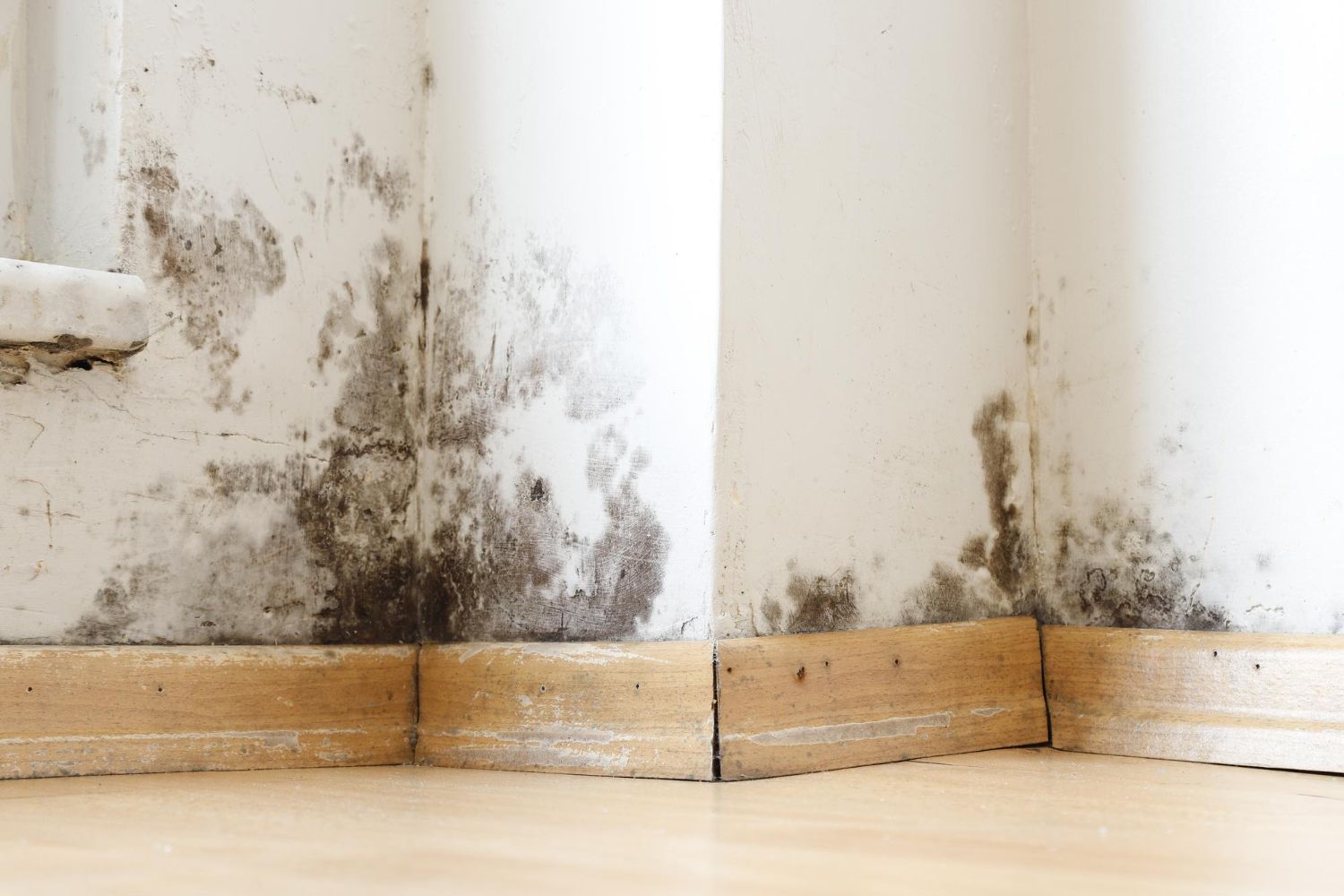
Mold is a sneaky guest that can invade our homes without notice, often hiding in damp, dark corners where it thrives. While it might seem harmless at first glance, mold can seriously affect your health and your family's well-being. This is especially true for kids, the elderly, or anyone with asthma or allergies. Mold spores float in the air, affecting the air quality you breathe daily.


Mold remediation provides peace of mind, knowing your home is safe and healthy. It ensures that your environment supports rather than harms your health, helping you breathe easier and live better. Addressing mold problems professionally prevents them from escalating, promoting a clean and safe living space for you and your family.


Understanding Mold and Health Risks


Mold is a type of fungus that thrives in damp and humid environments, making it a common issue in homes with poor ventilation or water problems. Its tiny spores float effortlessly in the air, affecting the quality of the indoor air you breathe. Inhaling these spores can lead to significant health issues, particularly for individuals with pre-existing conditions such as asthma or allergies.


Children and the elderly are especially vulnerable to the health dangers posed by mold exposure. Young children have developing immune systems, while older adults may already have compromised health, making them more susceptible to the effects of mold. Prolonged exposure can trigger various health issues, including respiratory problems, skin irritations, and allergic reactions.


There are several symptoms and illnesses linked to mold exposure. These include:


- Sneezing and coughing

- Shortness of breath or wheezing

- Red or itchy eyes

- Skin rashes or irritation

- Nasal congestion or runny nose


Severe exposure can lead to more serious conditions such as chronic sinus infections, bronchitis, or even compromised lung function. Recognizing the presence of mold and understanding these risks is essential in maintaining good health and preventing further complications.


Benefits of Professional Mold Inspection


Professional mold inspection protects health by ensuring thorough and accurate detection of mold issues. Although mold can sometimes be seen or smelled, many cases involve hidden mold in walls, under carpets, or within ducts. Professional inspections provide a comprehensive assessment of the extent of mold, which is vital for effective remediation.


Professionals use advanced tools and techniques to find hidden mold that might not be apparent to the untrained eye. These include infrared cameras that detect moisture levels, air sampling to analyze spore concentrations, and moisture meters that explore areas behind surfaces. This thorough evaluation ensures that all mold growth is identified and addressed properly.


DIY mold testing kits can be unreliable, often failing to detect all affected areas or the severity of the mold problem. These kits might miss critical spots where mold lurks, leading to inadequate solutions that allow mold to persist. Hiring professionals guarantees a complete and effective inspection, paving the way for successful mold remediation to safeguard your health and home environment.


The Mold Remediation Process


Understanding the mold remediation process is key to realizing its importance in protecting your health. Professional mold removal involves several carefully managed steps to ensure mold is completely eradicated and does not return. Here's a step-by-step overview of what professional mold remediation looks like.


1. Assessment and Containment


Professionals begin by assessing the extent of the mold problem. Containment strategies are implemented to prevent mold spores from spreading to unaffected areas during cleaning.


2. Air Filtration


High-efficiency air scrubbers and HEPA vacuums capture mold spores in the air, significantly improving air quality and reducing the risk of exposure.


3. Removing Mold and Infested Materials


Mold-affected areas and materials like drywall, insulation, and carpet are carefully removed by professionals. The removal is thorough, leaving no room for mold to regrow.


4. Cleaning and Sanitizing


Specialized cleaning methods and solutions kill any remaining spores. Items and areas are thoroughly disinfected to prevent future mold growth.


Professionals take protective measures during remediation to safeguard health. They wear personal protective equipment (PPE), such as masks and gloves, and seal off work areas to keep mold spores contained. This approach removes existing mold and creates an environment that discourages future growth, ensuring a healthier living space.


Long-Term Health Advantages of Remediation


Mold remediation offers several long-term health benefits, contributing to overall well-being by creating a mold-free environment. Living in a space free of mold significantly improves indoor air quality, reducing the harmful effects that mold spores can have on health.


A clean, mold-free home also plays a critical role in preventing chronic respiratory issues. Constant exposure to mold has been linked to persistent respiratory problems, but proper remediation stops mold from compromising the air you breathe. This prevention is particularly beneficial for those with asthma or allergies, who are more sensitive to airborne contaminants.


The peace of mind from knowing your home is safe and healthy cannot be overstated. With mold effectively removed, you eliminate the worry of hidden health dangers affecting your family. Professional mold remediation ensures that your living space supports your health, does not jeopardize it, and provides a stable foundation for a healthier lifestyle.


Conclusion


Protecting your home and health from the dangers of mold requires expert intervention that only professional mold remediation can offer. Quick action and thorough remediation not only safeguard your health but also enhance the quality of life in your home by providing clean air and ensuring safety from mold-related health risks.


Faulkner Restoration is here to provide comprehensive mold remediation services that protect your home and health. Our experienced team uses advanced techniques to ensure your living spaces remain safe and comfortable. If you suspect mold issues in your home, reach out to us for a complete solution that guarantees peace of mind and a healthier living environment. Let us help you breathe easier with expert mold remediation. 


call icon

Contact Faulkner Restoration Today!

Faulkner Restoration will do everything we can to ensure your experience with us is excellent.

CALL US NOW

Request A FREE Estimate

Request a Free Estimate Form

Checkout Recent Post
By Taylor Faulkner November 26, 2025
The Tech Behind the Towels: Unpacking Psychrometrics in Water Restoration Water cleanup is a science, and that means precision. Cleanup crews—like the expert water remediation team at Faulkner Restoration—aren’t just throwing towels at damp spots. They're orchestrating a complex song and dance, using the properties of air and humidity to direct the moisture exactly where we want. Among other names, this is the science known as psychrometrics, and it’s the number-one asset water remediators use when doing a dry-out. We’ll explore a few topics such as humidity, saturation, and dew points, then walk the restoration playbook, showing you how professionals use this data to their advantage. Stick around, and you’ll read about the tech that actually works. Psychrometrics 101: What Is It and Why Do I Care? It may be a mouthful, but I promise it’s more than jargon. Psychrometrics—from the Greek words for “cold” and “measurement”—is the system of measures we use to calculate how water molecules in the air will behave, both physically and in terms of their temperature. The air we know and breathe every second is actually a mixture of gases, like oxygen, nitrogen, and carbon dioxide, plus vapors like water vapor. This mixture behaves uniquely compared to pure gases. Psychrometrics is the roadmap we use to figure out how the air and moisture will behave—and with it, we can plan, predict, and account for the movement of water. Psychrometrics usually plots the air on an XY axis: the X axis is the air temperature, and the Y axis is the humidity ratio, known as absolute humidity—the ratio of pounds of water to pounds of air. There’s another way to measure humidity, called relative humidity (RH). RH tells us how saturated the air is with water molecules and is usually expressed as a percentage. When the air cannot hold any more water, it is saturated—and instead of staying as a vapor in the air, the moisture will return to liquid water. For example, an RH of 40% means that the air is 40% saturated. When RH reaches 100%, the air is saturated, and the moisture in the air begins to condense, forming dew. RH is useful because the amount of water the air can hold before it reaches saturation changes with temperature. This means that an 80-degree room and a 60-degree room—even if they had the same number of water molecules—would have different RH values. The Air's Push and Pull: Vapor Pressure, Differentials, and Dew Points Another thing that techs must take into account with water vapor is that it exerts pressure on other gases. In other words, on a molecular level, the water molecules push each other around. The more water molecules there are, the harder they push on each other. This pushing is called “vapor pressure,” and it means that wet materials will push moisture into the drier surrounding air, creating what we call a “differential.” The bigger the differential is, the faster the water vapor will evaporate. This is why restorers use dehumidifiers to fill the area with dry air, reducing the RH of the surrounding air. If this RH is too high, it could cause the air to saturate and re-wet. One way to avoid this is to keep an eye on the dew point. Remember how I said earlier that temperature affects the amount of water needed to saturate? This is the same reason why your grass has dewdrops in the morning after a cold night—the temperature drops, and the water molecules in the air form into droplets. The temperature at which the air will become saturated is called the “dew point,” and the dew point changes with the RH of the air. Picture air like a sponge. At 70°F, it holds 55 grains per lb. Soak it with vapor from nearby drywall? Dew point plummets. RH spikes—and the structure isn’t drying like it should. The Restoration Playbook: Tools and Steps in Action Restoration professionals plot all of this data on psychrometric charts to predict how the water vapor will behave: just add some heat here, crank the airflow there, and it should dry out—like weather forecasting for your walls. This exemplifies the two-part mechanical system of the dehumidifier and air mover. The dehumidifier replaces the moist, humid air with hot, dry air. The air movers increase the vapor pressure, causing the moisture trapped in the building materials to rush out into the drier, less saturated air coming from the dehumidifier. In essence, the dehumidifier removes the moisture from the air and heats it up before spitting all that hot dry air back out—where it can soak up more moisture like a sponge, thanks to the help of the air mover. This cycle then repeats until the room is stable and dry. I hope that the reason why we use the tools we do has become a little more clear now, knowing the science behind why it works. Dehumidifiers crush that humidity, bringing it down to acceptable levels, while air movers—like fans—and even specialty devices like air injectors (used to dry hard-to-reach cavities) help keep vapor pressure. This is the delicate ballet at play behind every water damage restoration. By tweaking the heat and humidity, you can zap that moisture out from the air like magic. Our moisture meters aren’t just beeping to let us know there’s moisture—they’re whispering dew point secrets, letting us know what to do and where to do it. Here’s how we put the playbook into motion, step by step: Step 1: Plot the Baseline – Grab initial RH, dew point, and moisture readings to spot differentials and classify the water (clean vs. contaminated). Step 2: Fire Up the Duo – Dehumidifiers pull grains from the air; air movers whip vapor out of materials, targeting <60% RH. Step 3: Dial & Dry – Daily checks with thermo-hygrometers tweak the cycle—add heat if needed—until materials hit <16% moisture content. Why Psychrometrics Isn’t Optional: Your Firewall Against Disaster Psychrometrics isn’t optional—it’s the firewall against $5K mold repairs. It may seem like scientific gobbledygook, but for the trained professional, it’s the navigational chart that tells us exactly where we are, where we need to get to, and how to get there. And now, hopefully, you too, reader, have a better understanding. So, the next time you’ve got water damage, don’t just call up Joe Schmoe with the Shop Vac—go with the pro with the RH chart, like the trained professionals of Faulkner Restoration. Give us a call today at 317-782-9999, and let psychrometrics work its quiet magic on your home.
By Taylor Faulkner October 9, 2025
The body content of your post goes here. To edit this text, click on it and delete this default text and start typing your own or paste your own from a different source.
By Taylor Faulkner September 25, 2025
3 Common Water Damage Myths Homeowners Should Stop Believing Water damage can quickly spiral from a minor issue to a major headache if you fall for common misconceptions. Homeowners often believe myths that lead to delayed repairs, mold growth, and expensive fixes. At Faulkner Restoration, we’ve seen firsthand how misinformation can turn a small leak into a costly disaster. From thinking minor drips will dry on their own to assuming bleach eliminates all mold, these myths put your home and health at risk. Let’s debunk three widespread water damage myths with expert insights to help you protect your property. Read on to learn the truth and discover how Faulkner Restoration can restore your home quickly and safely. Myth 1: Small Leaks Don’t Require Professional Help A dripping faucet or a small puddle under the sink might seem harmless, tempting many homeowners to grab a towel and move on. Unfortunately, even minor leaks can cause significant damage by seeping into walls, floors, or insulation. Within 24-48 hours, trapped moisture can foster mold growth, which not only weakens your home’s structure but also poses health risks like allergies or respiratory issues. Ignoring these small leaks often leads to costly repairs that could have been avoided with early intervention. At Faulkner Restoration, our certified technicians use advanced tools like moisture meters to detect hidden water and assess the full extent of the damage. By addressing leaks promptly, we prevent mold and structural issues, saving you time and money. Don’t underestimate a small leak’s potential to cause big problems. Contact us for a professional assessment to ensure your home stays safe and dry. Myth 2: Bleach Kills All Mold After Water Damage When mold appears after a water leak, many homeowners turn to bleach, believing it’s a quick fix to eliminate the problem. While bleach can kill some surface mold on non-porous materials, it’s ineffective against mold hidden in porous surfaces like drywall, wood, or carpeting. These deeper spores continue to thrive, spreading through your home and potentially causing health issues like asthma or allergic reactions. DIY attempts with bleach can also worsen the problem by spreading spores or exposing you to harmful toxins. Faulkner Restoration’s certified mold remediation experts use industry-standard techniques, such as containment barriers and HEPA filtration, to safely remove mold and prevent its return. Our process ensures that all affected areas are thoroughly treated, protecting your home and family. Don’t risk incomplete mold removal—trust our team to handle the job with precision and care, restoring your home to a safe, mold-free condition. Myth 3: Drying Wet Areas with Fans Is Enough After a flood or spill, many homeowners set up household fans, thinking they’ll dry out the damage and prevent further issues. However, fans alone can’t remove moisture trapped in carpets, subfloors, or walls, where it can linger and cause mold growth or structural damage. This hidden moisture often goes unnoticed, leading to warped floors, musty odors, and costly repairs down the line. Relying solely on fans can give a false sense of security while the real damage festers. At Faulkner Restoration, we use industrial-grade dehumidifiers and air movers to thoroughly dry affected areas, ensuring no moisture remains to cause problems. Our professional drying process is fast and effective, preventing mold and preserving your home’s integrity. Don’t let hidden moisture compromise your property—call Faulkner Restoration for expert drying solutions that restore your home to its pre-damage condition. Don’t Let Myths Flood Your Home Believing water damage myths can lead to expensive repairs, health hazards, and unnecessary stress. By understanding the truth about small leaks, mold removal, and proper drying, you can make informed decisions to protect your home. Faulkner Restoration is here to help with 24/7 water damage restoration services tailored to your needs. Whether you’re facing a minor leak or major flooding, our certified team is ready to respond. Contact Faulkner Restoration today for a free inspection and let us bring your home back to safety with professional, reliable solutions.
By Taylor Faulkner September 2, 2025
Applying the precepts of structural drying to your home is a unique process, as every structure is shaped differently, and will dry at a different rate. There is no one single magic-bullet formula for drying, but by meeting guidelines and following protocol, both residential and commercial structures can be dried effectively and efficiently. In this blog post, we will go over some of the basic principles of applied structural drying, and how these pillars affect the drying process. Keep reading, and perhaps you'll learn something new and interesting!
SEE MORE