Dealing With Smoke Odor After Fire Damage
April 1, 2025

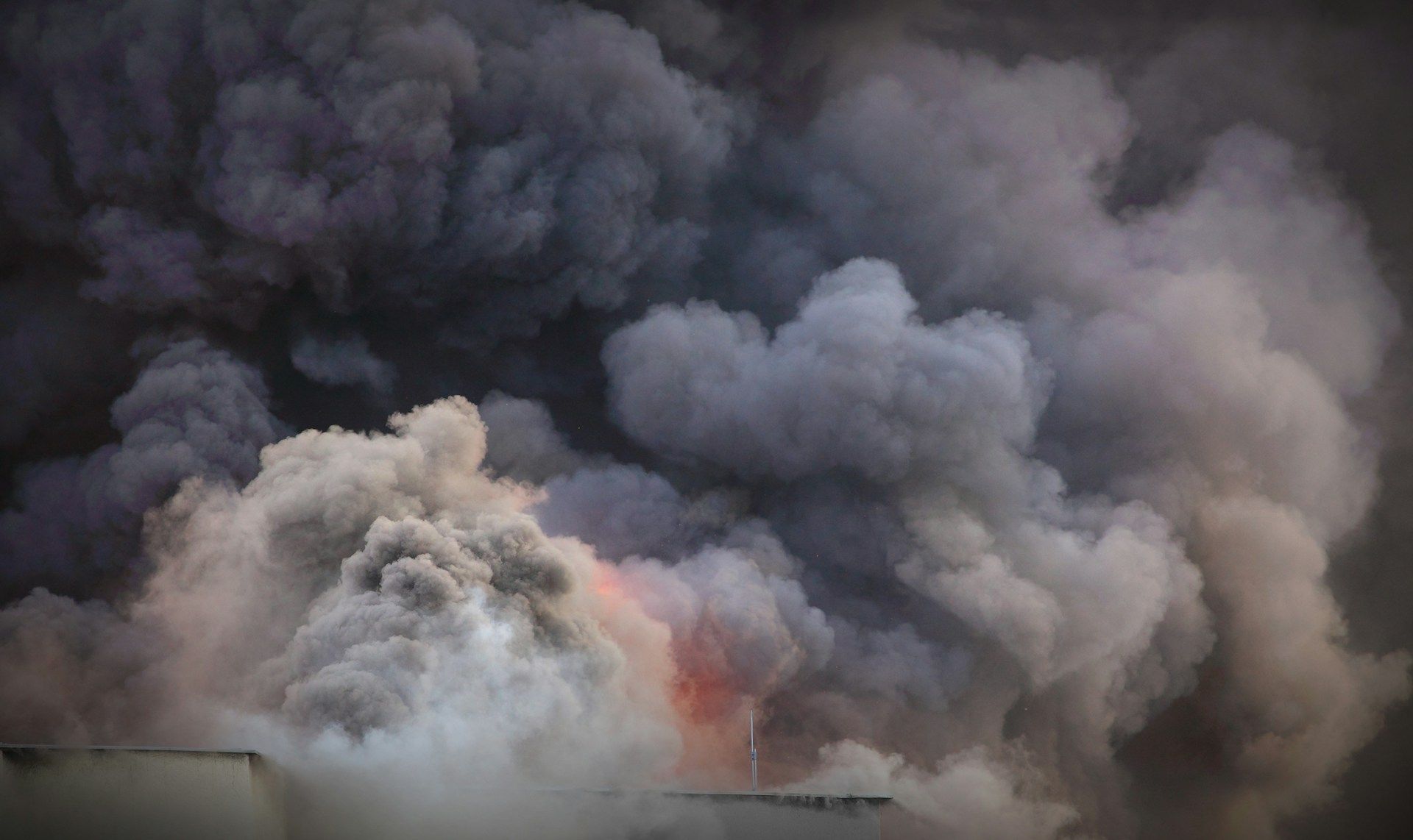
 when smoke particles penetrate various surfaces in your home, embedding themselves into materials and creating a persistent smell. Addressing the odor swiftly is important to restore comfort and ensure the air in your home is pleasant to breathe. Nobody likes to be caught off guard by that smoky smell when stepping into a room that should feel like a safe haven.


The key to battling smoke odor effectively lies in understanding how it behaves and spreads. Homes often hold onto odors in unexpected places, leaving residents confused and annoyed. Imagine walking into your living room, hoping for the familiar comforts of home, only to be met with the lingering scent of burned timber. Knowing how to address this issue will help you reclaim a cozy and welcoming environment.


Understanding Smoke Odor


Smoke odor sticks around long after a fire is put out due to tiny particles that cling to surfaces. These particles come from materials burned in the fire, including wood, plastics, and fabrics. They weave into the fibers of carpets, upholstery, and even clothing. Walls and ceilings aren't spared either, as porous surfaces can also trap these pesky particles.


Several materials are notorious for holding onto smoke particles:

- Upholstered furniture

- Carpets and rugs

- Curtains and drapes


Prolonged exposure to smoke odor isn't just annoying—it can also have negative effects on health, especially for those with respiratory issues or allergies. Stale, smoky air means you’re breathing in these particles over and over, which can irritate the lungs and throat. Addressing smoke odor promptly is a smart move that benefits both health and comfort.


Initial Steps to Mitigate Smoke Odor


Once the fire is out, letting fresh air into your home is priority number one. Open windows and doors wide to create a flow of air that can help disperse the smell. Fans are another great tool. They can create an effective draft, pushing the smoky air out and letting fresh air circulate.


Some items may not be salvageable. If your upholstered furniture absorbed too much smoke, it might be best to let them go. The smell can be almost impossible to fully remove from items like couches and chairs with thick padding. Letting go of these heavily affected items is sometimes necessary to achieve a fresh start in your living spaces.


By focusing on these initial steps, you set the stage for a more thorough cleaning process later. The fresh air can make a significant difference, and clearing out unsalvageable items will minimize sources of odor. This proactive approach ensures your home is on its way to smelling like itself again.


Cleaning Techniques to Remove Smoke Odor


Once you've got fresh air flowing through your home, it's time to tackle the odor directly. Start with the basics: walls, floors, and ceilings. These surfaces capture smoke, so a thorough wash is necessary. Use warm water with a mild detergent to scrub these areas. An effective method is to lightly spray the solution onto the surface, then wipe it clean with a damp cloth. Pay extra attention to hidden corners and edges where residue might collect.


Specialized cleaning agents exist that can neutralize smoke odor. Consider products designed for smoke damage, as they often break down the odorous particles better than standard cleaners. When dealing with your household fabrics, such as curtains, carpets, or clothing, washing them can be very effective. Here are some tips to freshen up your space:

- Send curtains to a dry cleaner for thorough treatment.

- Use a steam cleaner on carpets and upholstery if possible.

- Wash clothes with baking soda added to the laundry cycle.


Even small decor items like throw pillows or stuffed animals can trap odors. Ensure these receive attention too, as every cleaned item contributes to a fresher environment.


Professional Solutions for Persistent Smoke Odor


Sometimes, despite our best efforts, smoke odor clings stubbornly. When the problem seems beyond your capabilities, it may be time to call in professionals. Experts use advanced techniques and equipment to eradicate even the most stubborn odors. They have access to tools like ozone generators and thermal foggers, which penetrate deeper than standard household methods.


Professional services are especially useful for deep-seated odors clinging to insulation or within your HVAC system. Addressing these aspects without expert help might not only be challenging but also not very effective. By enlisting professionals, you ensure comprehensive odor elimination, restoring your home to its pre-fire state.


Creating a Fresh Start


Going through a fire can be a traumatic event, leaving not only physical damage but also that lingering smoke that seems impossible to shake. However, by taking systematic steps—ventilating, cleaning thoroughly, and sometimes relying on professional help—you can transform your living space back into the comfortable home it once was.


Being proactive in dealing with smoke odor not only enhances your living conditions but protects your health and peace of mind too. As you clear away the reminders of the past, focus on the fresh start ahead. With persistence and the right approach, your home will smell clean and inviting once more, free from the reminders of smoke.


Reclaim the comfort of your home by addressing persistent smoke odors with the expertise of Faulkner Restoration. Our professional team in Greenwood is ready to help you with a fresh start, offering advanced techniques to eliminate stubborn odors effectively. Explore our comprehensive solutions through our damage restoration service, and let us restore tranquility and freshness to your living environment. Trust Faulkner Restoration for top-notch service in reclaiming the safety and comfort of your home.

call icon

Contact Faulkner Restoration Today!

Faulkner Restoration will do everything we can to ensure your experience with us is excellent.

CALL US NOW

Request A FREE Estimate

Request a Free Estimate Form

Checkout Recent Post
By Taylor Faulkner November 26, 2025
The Tech Behind the Towels: Unpacking Psychrometrics in Water Restoration Water cleanup is a science, and that means precision. Cleanup crews—like the expert water remediation team at Faulkner Restoration—aren’t just throwing towels at damp spots. They're orchestrating a complex song and dance, using the properties of air and humidity to direct the moisture exactly where we want. Among other names, this is the science known as psychrometrics, and it’s the number-one asset water remediators use when doing a dry-out. We’ll explore a few topics such as humidity, saturation, and dew points, then walk the restoration playbook, showing you how professionals use this data to their advantage. Stick around, and you’ll read about the tech that actually works. Psychrometrics 101: What Is It and Why Do I Care? It may be a mouthful, but I promise it’s more than jargon. Psychrometrics—from the Greek words for “cold” and “measurement”—is the system of measures we use to calculate how water molecules in the air will behave, both physically and in terms of their temperature. The air we know and breathe every second is actually a mixture of gases, like oxygen, nitrogen, and carbon dioxide, plus vapors like water vapor. This mixture behaves uniquely compared to pure gases. Psychrometrics is the roadmap we use to figure out how the air and moisture will behave—and with it, we can plan, predict, and account for the movement of water. Psychrometrics usually plots the air on an XY axis: the X axis is the air temperature, and the Y axis is the humidity ratio, known as absolute humidity—the ratio of pounds of water to pounds of air. There’s another way to measure humidity, called relative humidity (RH). RH tells us how saturated the air is with water molecules and is usually expressed as a percentage. When the air cannot hold any more water, it is saturated—and instead of staying as a vapor in the air, the moisture will return to liquid water. For example, an RH of 40% means that the air is 40% saturated. When RH reaches 100%, the air is saturated, and the moisture in the air begins to condense, forming dew. RH is useful because the amount of water the air can hold before it reaches saturation changes with temperature. This means that an 80-degree room and a 60-degree room—even if they had the same number of water molecules—would have different RH values. The Air's Push and Pull: Vapor Pressure, Differentials, and Dew Points Another thing that techs must take into account with water vapor is that it exerts pressure on other gases. In other words, on a molecular level, the water molecules push each other around. The more water molecules there are, the harder they push on each other. This pushing is called “vapor pressure,” and it means that wet materials will push moisture into the drier surrounding air, creating what we call a “differential.” The bigger the differential is, the faster the water vapor will evaporate. This is why restorers use dehumidifiers to fill the area with dry air, reducing the RH of the surrounding air. If this RH is too high, it could cause the air to saturate and re-wet. One way to avoid this is to keep an eye on the dew point. Remember how I said earlier that temperature affects the amount of water needed to saturate? This is the same reason why your grass has dewdrops in the morning after a cold night—the temperature drops, and the water molecules in the air form into droplets. The temperature at which the air will become saturated is called the “dew point,” and the dew point changes with the RH of the air. Picture air like a sponge. At 70°F, it holds 55 grains per lb. Soak it with vapor from nearby drywall? Dew point plummets. RH spikes—and the structure isn’t drying like it should. The Restoration Playbook: Tools and Steps in Action Restoration professionals plot all of this data on psychrometric charts to predict how the water vapor will behave: just add some heat here, crank the airflow there, and it should dry out—like weather forecasting for your walls. This exemplifies the two-part mechanical system of the dehumidifier and air mover. The dehumidifier replaces the moist, humid air with hot, dry air. The air movers increase the vapor pressure, causing the moisture trapped in the building materials to rush out into the drier, less saturated air coming from the dehumidifier. In essence, the dehumidifier removes the moisture from the air and heats it up before spitting all that hot dry air back out—where it can soak up more moisture like a sponge, thanks to the help of the air mover. This cycle then repeats until the room is stable and dry. I hope that the reason why we use the tools we do has become a little more clear now, knowing the science behind why it works. Dehumidifiers crush that humidity, bringing it down to acceptable levels, while air movers—like fans—and even specialty devices like air injectors (used to dry hard-to-reach cavities) help keep vapor pressure. This is the delicate ballet at play behind every water damage restoration. By tweaking the heat and humidity, you can zap that moisture out from the air like magic. Our moisture meters aren’t just beeping to let us know there’s moisture—they’re whispering dew point secrets, letting us know what to do and where to do it. Here’s how we put the playbook into motion, step by step: Step 1: Plot the Baseline – Grab initial RH, dew point, and moisture readings to spot differentials and classify the water (clean vs. contaminated). Step 2: Fire Up the Duo – Dehumidifiers pull grains from the air; air movers whip vapor out of materials, targeting <60% RH. Step 3: Dial & Dry – Daily checks with thermo-hygrometers tweak the cycle—add heat if needed—until materials hit <16% moisture content. Why Psychrometrics Isn’t Optional: Your Firewall Against Disaster Psychrometrics isn’t optional—it’s the firewall against $5K mold repairs. It may seem like scientific gobbledygook, but for the trained professional, it’s the navigational chart that tells us exactly where we are, where we need to get to, and how to get there. And now, hopefully, you too, reader, have a better understanding. So, the next time you’ve got water damage, don’t just call up Joe Schmoe with the Shop Vac—go with the pro with the RH chart, like the trained professionals of Faulkner Restoration. Give us a call today at 317-782-9999, and let psychrometrics work its quiet magic on your home.
By Taylor Faulkner October 9, 2025
The body content of your post goes here. To edit this text, click on it and delete this default text and start typing your own or paste your own from a different source.
By Taylor Faulkner September 25, 2025
3 Common Water Damage Myths Homeowners Should Stop Believing Water damage can quickly spiral from a minor issue to a major headache if you fall for common misconceptions. Homeowners often believe myths that lead to delayed repairs, mold growth, and expensive fixes. At Faulkner Restoration, we’ve seen firsthand how misinformation can turn a small leak into a costly disaster. From thinking minor drips will dry on their own to assuming bleach eliminates all mold, these myths put your home and health at risk. Let’s debunk three widespread water damage myths with expert insights to help you protect your property. Read on to learn the truth and discover how Faulkner Restoration can restore your home quickly and safely. Myth 1: Small Leaks Don’t Require Professional Help A dripping faucet or a small puddle under the sink might seem harmless, tempting many homeowners to grab a towel and move on. Unfortunately, even minor leaks can cause significant damage by seeping into walls, floors, or insulation. Within 24-48 hours, trapped moisture can foster mold growth, which not only weakens your home’s structure but also poses health risks like allergies or respiratory issues. Ignoring these small leaks often leads to costly repairs that could have been avoided with early intervention. At Faulkner Restoration, our certified technicians use advanced tools like moisture meters to detect hidden water and assess the full extent of the damage. By addressing leaks promptly, we prevent mold and structural issues, saving you time and money. Don’t underestimate a small leak’s potential to cause big problems. Contact us for a professional assessment to ensure your home stays safe and dry. Myth 2: Bleach Kills All Mold After Water Damage When mold appears after a water leak, many homeowners turn to bleach, believing it’s a quick fix to eliminate the problem. While bleach can kill some surface mold on non-porous materials, it’s ineffective against mold hidden in porous surfaces like drywall, wood, or carpeting. These deeper spores continue to thrive, spreading through your home and potentially causing health issues like asthma or allergic reactions. DIY attempts with bleach can also worsen the problem by spreading spores or exposing you to harmful toxins. Faulkner Restoration’s certified mold remediation experts use industry-standard techniques, such as containment barriers and HEPA filtration, to safely remove mold and prevent its return. Our process ensures that all affected areas are thoroughly treated, protecting your home and family. Don’t risk incomplete mold removal—trust our team to handle the job with precision and care, restoring your home to a safe, mold-free condition. Myth 3: Drying Wet Areas with Fans Is Enough After a flood or spill, many homeowners set up household fans, thinking they’ll dry out the damage and prevent further issues. However, fans alone can’t remove moisture trapped in carpets, subfloors, or walls, where it can linger and cause mold growth or structural damage. This hidden moisture often goes unnoticed, leading to warped floors, musty odors, and costly repairs down the line. Relying solely on fans can give a false sense of security while the real damage festers. At Faulkner Restoration, we use industrial-grade dehumidifiers and air movers to thoroughly dry affected areas, ensuring no moisture remains to cause problems. Our professional drying process is fast and effective, preventing mold and preserving your home’s integrity. Don’t let hidden moisture compromise your property—call Faulkner Restoration for expert drying solutions that restore your home to its pre-damage condition. Don’t Let Myths Flood Your Home Believing water damage myths can lead to expensive repairs, health hazards, and unnecessary stress. By understanding the truth about small leaks, mold removal, and proper drying, you can make informed decisions to protect your home. Faulkner Restoration is here to help with 24/7 water damage restoration services tailored to your needs. Whether you’re facing a minor leak or major flooding, our certified team is ready to respond. Contact Faulkner Restoration today for a free inspection and let us bring your home back to safety with professional, reliable solutions.
By Taylor Faulkner September 2, 2025
Applying the precepts of structural drying to your home is a unique process, as every structure is shaped differently, and will dry at a different rate. There is no one single magic-bullet formula for drying, but by meeting guidelines and following protocol, both residential and commercial structures can be dried effectively and efficiently. In this blog post, we will go over some of the basic principles of applied structural drying, and how these pillars affect the drying process. Keep reading, and perhaps you'll learn something new and interesting!
SEE MORE